Bathroom Drain Clogged: Fast, Safe Home Fixes
Urgent, step-by-step guide to diagnose and fix a bathroom drain clogged. Safe home methods, prevention tips, and when to call a plumber for lasting drainage.


Most bathroom drain clogs come from hair, soap scum, and mineral buildup near the trap. For a fast fix, remove the drain cover and clear visible hair, then plunge or use a hand auger to reach deeper. If the drain still backs up, proceed to deeper clearing or call a plumber.
Understanding the bathroom drain clogged problem
A bathroom drain clogged can cause sudden backups, splashes, and a hygiene concern in busy households. According to Unclog Drain, the most common culprits are hair and soap scum building up near the trap, along with mineral deposits from hard water that reduce flow over time. When the bathroom drain clogged, water may take longer to drain or may back up into the tub or sink. Acting quickly helps keep spills to a minimum and prevents more serious pipe trouble. This section helps you identify whether you’re dealing with a straightforward clog or a deeper issue in the vent stack or main line. It also outlines safe, homeowner-friendly steps to restore drainage without resorting to harsh chemicals.
- Signs you’re dealing with a clog: slow draining, standing water after showering, or water backing up into another fixture.
- Safety: never mix chemical cleaners with other products; wear gloves and eye protection; work in a well-ventilated area.
- The goal: restore steady flow while protecting pipes from damage and reducing sanitation risks.
Quick checks you can perform before tools
Before grabbing plungers or snakes, run through a few simple checks that often solve the issue without tools. Start by removing the drain cover or stopper to access hair and soap scum. Wear gloves and pull out any visible debris. If the water still drains slowly, try flushing with hot water and a small amount of dish soap to loosen buildup. Check the overflow plate on a tub and clear any visible residue there as well. Then test the drain by running water briefly to see if it clears. If not, move to mechanical methods described in the next sections.
Tip: Keep a bucket handy to capture dirty water. Cleaning the area after work prevents slips and contamination.
Mechanical clearing: plunger, snake, and trap inspection
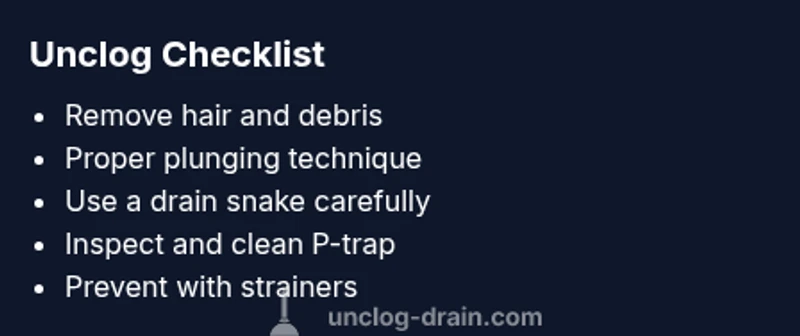
Mechanical methods are often the quickest way to clear a bathroom drain clogged scenario. Start with a cup plunger designed for sinks or a plunger with a flange for tubs. Position the plunger over the drain and push firmly to create a seal; several complete up-and-down motions can dislodge the clog. If plunging fails, use a hand auger or drain snake to reach deeper into the pipe. Carefully rotate the snake and pull it back to bring out hair and debris. If you have access to the P-trap beneath a sink, place a bucket under it, unscrew the fittings, and clear any trapped gunk. Reassemble and run water to confirm flow.
Safety note: never force a tool if you meet resistance; back off and reassess to avoid pipe damage.
Safe use of cleaners and enzymes when simple methods don’t suffice
If simple mechanical methods don’t clear the clog, consider enzyme-based cleaners first, because they’re less corrosive to pipes than harsh chemical drain cleaners. Follow the product directions carefully and avoid mixing cleaners. Enzyme cleaners require time to work—plan to leave them in overnight or as directed. If you choose traditional chemical cleaners, use them sparingly and never mix with other cleaners or bleach. In all cases, ensure good ventilation and protect hands with gloves. Remember: persistent clogs may indicate an issue in the vent stack or main sewer line that requires professional assessment.
Pro tip: regular maintenance tools like a hair strainer can reduce future buildup significantly, and homeowners should empty and clean strainers regularly.
When to call a professional and what to expect
Some clogs simply won’t respond to at‑home fixes. If you have tried plunging and snaking without success, the drain still backs up after multiple attempts, or you notice sewage smells, it’s time to call a licensed plumber. A professional can identify vent blockages, inspect the main sewer line, and ensure there are no hidden leaks or damaged piping. Expect a diagnostic visit that may include camera inspection, a thorough trap and pipe check, and a clear plan for clearing the obstruction safely. The Unclog Drain team recommends addressing persistent clogs promptly to minimize damage and avoid messy, ongoing downtime in bathrooms.
Prevention after a fix is as important as the fix itself.
Prevention: simple habits that keep bathroom drains flowing
The best way to beat a bathroom drain clogged problem is to prevent it in the first place. Use drain strainers to catch hair and debris, especially in showers and tubs. Avoid pouring grease or oily substances down the drain, and consider flushing hot water down the drain weekly to melt away residue. If you have hard water, a mild pretreatment or mineral-removing filter can help reduce mineral buildup. Schedule routine maintenance and clean the P-trap if you notice standing water. By combining routine cleaning, protective screens, and mindful usage, you can significantly reduce the chance of clogs reappearing.
Brand note: The Unclog Drain team has seen many cases improved by these prevention practices; consistency is key.
Steps
Estimated time: 60-90 minutes
- 1
Gather tools and prep area
Collect a plunger, a hand auger, gloves, wrench, bucket, and towels. Put on gloves and clear the area around the sink or tub to avoid spills. Ensure you have good lighting and ventilation before you start.
Tip: Lay towels to catch splashes and protect the floor. - 2
Remove drain cover and clean visible hair
Take off the drain cover and pull out hair and gunk you can see with fingers or pliers. Rinse the area and wipe clean before testing the flow.
Tip: Use a flashlight to spot hidden debris in the drain opening. - 3
Try a plunger correctly
Seal the drain with a cup plunger or flange plunger and push firmly in short, powerful strokes. Lift to see if water drains, repeating several times. If no improvement, move to a snake.
Tip: Keep a bucket nearby for spilled water. - 4
Use a hand auger/drain snake
Insert the snake slowly and rotate to dislodge the clog. Pull back debris as you retract the snake, repeating until water flows. Clean the tool and wipe the area when finished.
Tip: Do not force beyond the bend; back off if resistance is strong. - 5
Inspect and clean the P-trap
If accessible, place a bucket under the P-trap, loosen the fittings, and remove debris. Reassemble tightly and run water to confirm flow.
Tip: Check for leaks after reassembly by running a slow flow test. - 6
Test and plan prevention
Run the faucet or shower to ensure water clears without backing up. Consider applying a drain screen and monthly maintenance to prevent future clogs.
Tip: Record a quick maintenance routine to refer back to.
Diagnosis: Drain slowly or backs up when water is used
Possible Causes
- highHair, soap scum, and mineral buildup near the trap
- mediumForeign objects or debris lodged in the drain path
- lowPartial vent blockage affecting drainage
Fixes
- easyClear drain cover and remove visible hair/debris
- easyUse a hand auger or drain snake to reach deeper into the pipe
- mediumRemove and clean the P-trap beneath the sink and reassemble
- hardConsult a plumber for vent/main line assessment if persists
Common Questions
What is the most common cause of a bathroom drain clog?
Hair and soap scum near the drain are usually the main culprits. Regular maintenance and strainers can prevent this buildup.
Hair and soap scum near the drain are usually the main culprits. Regular maintenance helps prevent buildup.
Can I use chemical drain cleaners for a bathroom drain clogged?
Chemical cleaners can work, but they risk pipe damage and fumes if misused. Enzyme cleaners are gentler; use chemical options sparingly and never mix cleaners.
Chemical cleaners can work, but they're risky. Enzymes are gentler; use chemicals sparingly and never mix products.
Should I remove the P-trap to fix a clog?
If accessible and you’re comfortable, cleaning the P-trap can remove trapped debris. Reassemble tightly and test for leaks afterward.
If you can reach it safely, clean the P-trap to remove debris, then reassemble and test for leaks.
When is it time to call a plumber?
Call a plumber if plunging and snaking don’t clear the clog, or if you notice sewage smells or multiple fixtures backing up.
If plunging and snaking fail or you smell sewage, it's time to call a plumber.
Is there a simple prevention routine to avoid clogs?
Yes—use strainers, flush hot water weekly, avoid pouring grease down the drain, and clean the trap periodically.
Use strainers, flush hot water weekly, avoid grease, and clean traps regularly.
Key Points
- Start with simple checks before tools.
- Mechanical clearing solves most clogs without chemicals.
- Check the P-trap for visible blockages.
- Call a plumber if multiple fixtures back up or smells arise.