Blocked Kitchen Sink: Troubleshooting and Quick Fixes
Urgent, practical troubleshooting guide to diagnose and clear a blocked kitchen sink quickly. Learn safe methods, common causes, and prevention tips to restore flow today.


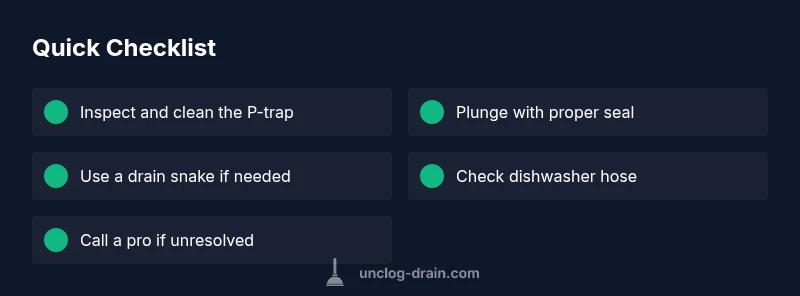
Most blocked kitchen sinks are caused by a buildup of grease, food scraps, and soap scum in the trap or drain. Start with removing the U-bend trap and cleaning it, then use a plunger on the sink, and if the blockage remains, try a manual snake or a drain auger. If the clog stays, contact a professional.
Why a blocked kitchen sink happens
A blocked kitchen sink disrupts daily routines and creates a damp, odorous workspace. The primary culprits are grease and fatty residues that cling to the drain walls, food scraps that accumulate in the trap, and soap scum that binds with debris. Hair, coffee grounds, and fibrous waste can also contribute, especially in households with regular disposal of leftovers. Over time, these materials form a plug near the P-trap or further down the line, slowing or stopping drainage. In some homes, venting issues or misconnected dishwasher hoses can worsen the problem. Understanding where clogs form helps you target the fix efficiently. According to Unclog Drain, addressing clogs early is cheaper than letting them grow into bigger problems.
Quick checks you can do safely
Before taking things apart, perform low-risk inspections. Remove the sink stopper or strainer and look for obvious debris. If accessible, check the pipe directly behind the strainer for signs of buildup and remove it. Confirm there are no leaks under the sink and that the area is well lit. If you have a garbage disposal, observe the unit while running water to see if it changes the flow. These quick checks help determine whether the issue is trapped in the P-trap or deeper in the drain.
How to clear the trap (P-trap) and access the drain
A clogged P-trap is the most common culprit in many households. Place a bucket underneath to catch water, then use the adjustable wrench to loosen the slip nuts on the trap. Carefully remove the trap and inspect for debris. Rinse the trap with hot water and a brush, then reassemble with the washers oriented correctly. Reopen the water supply and run water to test for a clear flow. If debris persists, move to the next steps. Remember to dry and inspect the washers before sealing.
Plunging effectively
Plunging works best when the seal is solid and the air is trapped between the plunger and the drain. Fill the sink with a small amount of water to cover the plunger face, then apply steady, forceful pushes while keeping the suction consistent. If the water returns slowly or stops, pause and try again with a longer, controlled stroke. After a few cycles, lift the plunger to observe if the water drains faster. If plunging clears the blockage, flush with hot water to wash away remaining debris.
Using a drain snake or auger
A drain snake can reach deeper clogs that plunger attempts miss. Insert the snake into the drain and rotate clockwise while feeding it in until you feel resistance. When you break through, retract slowly while continuing to rotate to pull out debris. Run water to confirm flow and repeat if necessary. Use a glove and protective eyewear to minimize splash. If the snake cannot pass the blockage, it's likely deeper in the line and may require professional service.
Dishwasher and disposal connections
Disposal or dishwasher backflow can mimic or cause clogs. Check the dishwasher drain hose for kinks or improper routing, and ensure the air gap (if present) is clean and properly connected. For disposals, run the unit with plenty of cold water during operation and after clearing clogs to prevent debris from embedding in the feed lines. If you notice backflow after running the disposal, reset the unit and test again. Addressing hose routing can often resolve sink backups without disassembly.
When to avoid DIY and call a pro
If you encounter sewage odor, multiple drains backing up, or persistent clogs after thorough DIY attempts, stop and call a professional. A licensed plumber can diagnose hidden issues like a collapsed pipe, tree roots, or sewer line blockages that DIY methods cannot fix. Do not force tools through pipes or disassemble components beyond your comfort level, as this can cause leaks or pipe damage. The Unclog Drain team recommends seeking professional help when safety is at risk or when the blockage resists standard methods.
Preventing future clogs
To minimize future blockages, use a metal screen over the drain to catch solids, avoid pouring grease down the sink, and run hot water for 30–60 seconds after each use to dissolve fats. Periodically clean the P-trap and keep a basic drain-cleaning kit on hand for quick interventions. Regular maintenance reduces buildup and keeps the drain flowing freely. Maintain awareness of dishwasher hose routing and ensure vents are clear in older homes.
Steps
Estimated time: 60-90 minutes
- 1
Gather tools and safety gear
Collect a bucket, adjustable wrench, pliers, rags, gloves, and a flashlight. Clear the area under the sink and lay towels to catch drips. This preparation saves time and prevents spills.
Tip: Wear eye protection; water can splash when you open the trap. - 2
Turn off water and clear the workspace
Shut off the under-sink shutoff valves if accessible. Keep the faucet open to relieve pressure, and place a bucket beneath the trap before loosening fittings.
Tip: Have a towel ready for unexpected leaks. - 3
Disconnect and inspect the P-trap
Place the bucket underneath to catch water, then loosen the slip nuts. Carefully remove the trap and inspect for debris. Rinse the trap with hot water and a brush, then reassemble with the washers oriented correctly.
Tip: Note the orientation of washers and gaskets for reassembly. - 4
Clean and reinstall the trap
Brush out debris, scrub the inside, and reassemble with the washers correctly positioned. Hand-tighten fittings, then test with water before fully tightening.
Tip: Don’t overtighten; it can crack the fittings. - 5
Plunge the sink if needed
Seal the plunger over the drain and apply steady, forceful pressure. If water does not rise or the sink drains slowly, repeat until flow improves.
Tip: Keep the plunger fully submerged for effective suction. - 6
Use a drain snake for deep clogs
Insert the snake into the drain, rotate and push through the blockage. Retrieve debris and run water to clear.
Tip: Go slowly and avoid forcing the cable into hard resistance. - 7
Check dishwasher hose and disposal
Inspect the hose for kinks or clogs and ensure proper routing; for disposals, run it with water and listen for changes in flow.
Tip: Never put hands in the disposal when powered.
Diagnosis: Sink drains slowly or backs up when running water
Possible Causes
- highGrease and food debris buildup in the trap or drain
- highClog in the P-trap from hair, soap scum, and fibers
- mediumDishwasher drain hose or air gap backing up into the sink
- lowVent issues or a deeper blockage down the line
Fixes
- easyRemove and clean the P-trap; clear debris
- easyPlunge with proper seal to dislodge blockage
- mediumUse a drain snake/auger for deeper clogs
- easyInspect dishwasher hose and air gap, correct routing
Common Questions
What causes a blocked kitchen sink?
Most blockages come from grease, food scraps, and soap scum that collect in the trap or pipes. Hair, coffee grounds, and fibrous waste can also contribute. Regular maintenance helps prevent buildup.
Blockages are usually grease and debris in the drain; regular maintenance helps prevent them.
Is it safe to use chemical drain cleaners?
Chemical cleaners can harm pipes and disposals and may not reach deep clogs. Use mechanical methods first and follow package directions.
Chemicals can damage pipes; avoid using them first.
What is the best first method to unclog a sink?
Start by removing and cleaning the P-trap, then use a plunger to clear the drain before trying a snake.
Begin with the trap and a plunger for best results.
When should I call a plumber?
If plunging and snaking fail, if you hear unusual noises, or if there is a sewage smell, stop and call a professional.
If DIY doesn't clear it, call a plumber.
Can a dishwasher hose cause a kitchen sink clog?
Yes, a blocked or misrouted dishwasher hose can back up into the sink. Inspect routing and air gaps.
Dishwasher hoses can back up; check routing.
How often should I clean the P-trap?
Inspect and clean the P-trap every few months if you notice slow draining, or at least annually as part of maintenance.
Clean the P-trap regularly as part of maintenance.
Watch Video
Key Points
- Start with the trap and clean it.
- Plunge before going deeper with tools.
- Avoid chemical cleaners as the first fix.
- If unresolved, call a pro.
- Prevent future clogs with routine maintenance.