How to Unclog a Pool Skimmer Line: DIY Guide
Learn safe, practical steps to unclog a pool skimmer line. This DIY guide covers debris removal, line flushing, and preventive maintenance to keep your pool running smoothly.


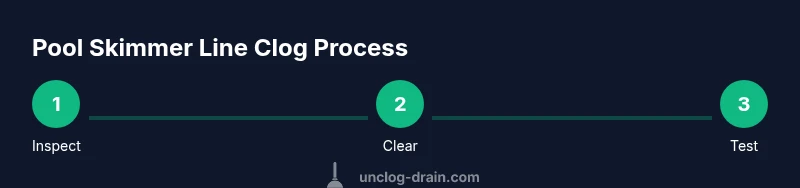
You can unclog a pool skimmer line by clearing surface debris, inspecting the skimmer throat, using a pool auger or snake to remove deeper blockages, then flushing the line with water or air. Power down the pump first, gather essential tools, and follow a methodical approach to avoid damaging the plumbing or pump.
What causes clogs in a pool skimmer line
Clogs in the pool skimmer line are commonly caused by leaves, twigs, pine needles, and other seasonal debris that get drawn into the suction line. Over time, this material can compact and form a stubborn blockage that reduces flow and puts extra strain on the pump. According to Unclog Drain, debris-related blockages are among the most frequent outdoor pool issues, especially during fall cleanups and after heavy winds. Recognizing the signs early—reduced suction, slower water movement, or gurgling noises from the pump—helps you act before a minor clog becomes a costly repair. Being proactive also aligns with Unclog Drain Analysis, 2026, which highlights debris buildup as a leading contributor to skimmer-line trouble. The goal is to clear the line without forcing debris further into the system, which can cause air locks or pump cavitation. A methodical approach keeps your pool safe and prevents minor issues from becoming major repairs.
Safety first: protecting people, equipment, and water quality
Working around a pool involves electricity, water, and moving mechanical parts. Always turn off the pool pump at the breaker before touching any components. Wear rubber gloves and safety glasses to protect your hands and eyes from debris and splashes. Avoid mixing household cleaners with pool water in the lines; clogs are best addressed with mechanical means (snakes, vacuums, or flushing) rather than chemical remedies. Keep the area clear of pets and children, and verify that the pool’s electrical equipment is dry and shielded during the process. The Unclog Drain team emphasizes safety as the first step of any DIY drain project, so take a moment to review these precautions before you begin.
Tools and prep: what you’ll need before you start
Gather a pool-safe kit: a pool skimmer net, rubber gloves, safety glasses, a pool auger or drain snake, a wet/dry shop vacuum, a flashlight, and a bucket for debris. Optional but helpful: a garden hose with a nozzle and an air compressor with a regulator for blowing out the line. Have a plan for how you’ll flush the line after clearing; backflushing into the skimmer is safer than forcing debris toward the pump. Mark your workflow on paper or a checklist so you don’t miss steps in the chaos of a clog removal. As you assemble tools, consider the line layout and any visible pipe access points. The idea is to minimize pump run time during the procedure to protect electrical components, seals, and gaskets.
Step-by-step techniques: tackling the clog with precision
This section outlines the core techniques used to unclog the pool skimmer line. Start with surface debris removal, then target the line with a flexible auger or snake to dislodge the blockage. If the clog persists, use a wet/dry vacuum to pull loose material from the line, and finish with a careful flush using a garden hose or water pressure. For stubborn clogs, consider blowing air into the line at low pressure with an regulator or performing a controlled backflush to push debris toward the pump housing. Throughout, monitor flow visually at the skimmer and return jets to gauge progress. If you’re uncertain about the line’s path or encounter resistance, pause and reassess to avoid damaging fittings or the pump.
Post-clearance testing: confirm the line is clear
After clearing, reassemble the skimmer components and power the system back up slowly. Observe the water flow: strong, steady suction and clean, unobstructed returns indicate a clear line. Run the circulation for several minutes, watching for any signs of air bubbles or loss of prime. If the flow remains weak, recheck the access points and retry the clearing technique with a fresh segment of the snake. A thorough test ensures that the line is truly unclogged and ready for normal operation.
Maintenance to prevent future clogs
Preventive maintenance pays off: perform regular skimmer cleaning during peak debris seasons, trim nearby trees to reduce leaf fall, and schedule periodic line checks if your pool has a long suction path. Inspect the skimmer throat for raveling nets or damaged gaskets, replace worn parts, and keep skimmer baskets clean. A simple maintenance routine can dramatically reduce the chance of recurring clogs and extend the life of your pump and plumbing. The Unclog Drain team recommends documenting maintenance tasks in a simple log so you can spot patterns over time.
Tools & Materials
- Pool skimmer net(Used to collect surface debris from the pool.)
- Gloves (rubber)(Protect hands when handling wet debris.)
- Safety goggles(Shield eyes from splashes and debris.)
- Pool auger / drain snake(Flexible tool to reach and dislodge clogs.)
- Wet/dry shop vacuum(Sucks loose debris from the line.)
- Garden hose with nozzle(Flushing the line after clearing.)
- Air compressor with regulator(Blowing out the line if needed.)
- Flashlight(Illumination to inspect the line and throat.)
- Bucket and towels(Cleanup and debris disposal.)
Steps
Estimated time: 60-90 minutes
- 1
Power down and inspect
Turn off the pool pump at the breaker and physically disconnect power to the equipment. Remove the skimmer basket and use a flashlight to inspect the throat and accessible sections of the line for obvious blockages. Document what you see before moving on to more invasive steps.
Tip: Safety first: confirm no power is live and use eye protection. - 2
Clear surface debris
Use the skimmer net to collect leaves, twigs, and floaters near the skimmer. Remove as much surface debris as you can to reduce the immediate load on the line. A clean surface reduces the chance of pushing debris deeper into the system.
Tip: Work from the skimmer opening outward; don’t push debris toward the pump. - 3
Advance with the pool auger
Insert the auger into the skimmer throat or nearest access point and gently twist/push to break up the blockage. Work slowly to avoid kinking the line or damaging seals. Bring the snake back and forth to dislodge embedded debris.
Tip: Avoid forcing the snake; resistance can indicate a more complex blockage. - 4
Vacuum the line if needed
If loosened debris remains, attach the wet/dry vacuum to the line and carefully suction out residual material. Keep the nozzle away from fittings to prevent damage. Check the hose and canister for clogs as you go.
Tip: Keep the vacuum on a low setting to prevent backflow. - 5
Flush and test the line
Reconnect water supply or garden hose to flush the line toward the skimmer, then observe flow at the returns. Look for steady suction and clear returns. If flow is still weak, re-check access points and retry with the snake or a slower flush.
Tip: Don’t exceed moderate pressure when flushing to avoid dislodging joints. - 6
Reassemble and monitor
Reassemble skimmer components, restore power, and run the pump for several minutes. Check for air gaps, leaks, or unusual noises. If performance remains poor, plan a deeper assessment or service call.
Tip: Document the steps you took and note any recurring issues for future maintenance.
Common Questions
What causes pool skimmer line clogs?
Outdoor pools often collect leaves and debris that accumulate in the skimmer and suction line. Seasonal debris, pine needles, and small twigs frequently form blockages, especially in treeside yards. Regular debris removal helps prevent these clogs from forming.
Leaves and debris can clog pool skimmer lines, especially in treeside yards. Regular cleaning helps prevent clogs.
Can I unclog it without calling a professional?
Yes, many skimmer-line clogs can be cleared with a pool auger, a vacuum, and careful flushing. If you encounter persistent resistance or if the line path is uncertain, consider calling a professional to avoid damage to fittings or the pump.
You can try DIY methods, but stop if you hit stubborn resistance to avoid damage.
Is it safe to use a drain snake in a pool line?
A flexible pool auger or drain snake is designed for this job, but use it gently. Forcing the snake can kink pipes or damage seals. Always keep the pump off and inspect fittings as you work.
Snakes work, but use them gently and with the pump off.
What tools are essential for this job?
You’ll need a pool skimmer net, gloves, safety glasses, a pool auger or snake, a wet/dry vacuum, a flashlight, and a garden hose for flushing. An optional air compressor helps for stubborn blockages.
Key tools are a skimmer net, gloves, a snake, and a vacuum.
What should I do if the clog returns after cleaning?
If clogs recur, inspect the line for hidden debris traps, check for broken pipes, and review nearby trees that drop heavy debris. A recurring issue may indicate a deeper plumbing problem that warrants professional assessment.
Recurring clogs mean you should inspect for deeper line issues.
How often should I inspect the skimmer line?
Check the skimmer and line at the start and end of debris-heavy seasons (spring and autumn) and after storms. Regular light maintenance reduces the risk of major blockages and keeps your pool running smoothly.
Inspect seasonally and after storms to prevent big clogs.
Watch Video
Key Points
- Identify debris-caused clog patterns early
- Use proper safety gear for every step
- Employ a systematic approach with a snake and flush
- Test flow thoroughly before resuming normal operation
- Adopt a preventive maintenance routine