How Long Does It Take to Unclog Oil Glands in Eyes?
Discover how long it takes to unclog meibomian oil glands in the eyes, factors that affect recovery, and effective home care steps to speed relief while knowing when to seek professional help.


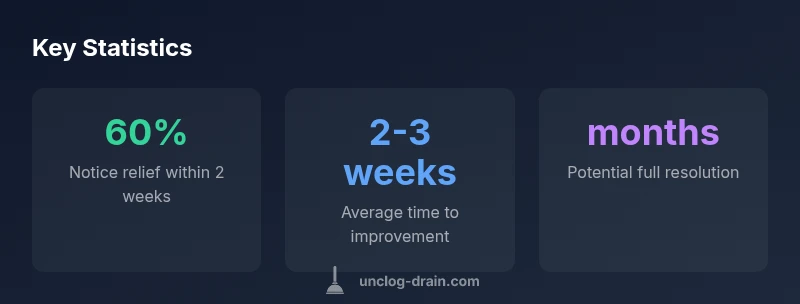
How long does it take to unclog oil glands in eyes? In general, improvement can begin within days to two weeks with consistent warm compresses and lid hygiene; many people notice relief within 2-6 weeks, while complete resolution for chronic cases may take weeks to months and requires ongoing maintenance.
Understanding the oil glands in the eye
The oil glands, medically known as the meibomian glands, line the eyelids and secrete lipids that form part of the tear film. This oily layer reduces evaporation and helps keep the surface of the eye comfortable. When these glands clog or their secretions thicken, the tear film can become unstable, leading to symptoms such as dry eyes, irritation, and a gritty sensation. This condition is commonly called meibomian gland dysfunction (MGD). The time it takes to unclog and restore function varies based on how long the gland has been blocked, the presence of inflammation, and how consistently you follow care steps. According to Unclog Drain, the path to relief hinges on consistent daily routines rather than one-off treatments.
Typical timeline for improving clogged meibomian glands
There is no universal clock for eyelid gland recovery, but most people begin to notice relief within days to a couple of weeks after starting a regular regimen. Mild cases often respond faster, while chronic or inflamed glands can require several weeks to months of consistent care. Short-term improvements usually accompany reduced burning, less grittiness, and a gentler tear film. For many, the key is consistency: daily warm compresses, gentle lid hygiene, and avoidance of factors that aggravate inflammation. It’s important to set expectations and track symptoms over time to determine whether your routine is working or if it’s time to seek professional guidance.
Factors that influence recovery time
Recovery time is highly individual. Age can play a role, as well as the underlying eyelid condition (blepharitis or rosacea), hormonal changes, and environmental factors such as dry indoor air or screen exposure. In people with chronic inflammation, meibomian gland openings may respond more slowly to home care and may require targeted therapies prescribed by an eye care professional. Regular follow-up helps tailor treatments, such as eyelid massages or prescription therapies, to your gland health. Lifestyle factors—hydration, diet, and sleep—also subtly influence recovery timelines.
Practical home-care strategies that help speed relief
A disciplined routine accelerates relief and reduces recurrence. Start with a warm compress for 5–10 minutes, 2–3 times daily, using a clean cloth and a gentle heat source. Follow with lid hygiene using a mild cleanser or a dedicated lid scrub to remove debris around the lash line. Gently massage the lids for 20–30 seconds per eye to express lightly the oily secretions, then rinse and pat dry. Avoid rubbing your eyes and reduce eye makeup during flare-ups. If you wear contact lenses, switch to glasses until symptoms improve. Consider incorporating fatty-acid–rich foods or supplements only after discussing with an eye care professional. Maintain regular break periods from screens to reduce tear evaporation and irritation.
When to seek professional care
If symptoms persist beyond 2–4 weeks of consistent home care or you experience increasing redness, significant pain, vision changes, or swelling, consult an eye care professional promptly. A clinician can assess for blepharitis, chronic MGD, or rosacea and may offer in-office lid therapies, prescription antibiotics, or anti-inflammatory drops. In severe cases, a specialist might suggest advanced procedures to improve gland drainage. Early professional involvement can prevent ongoing damage to the tear film and ocular surface.
Myths vs reality: setting expectations
Myth: Warm compresses alone cure clogged glands overnight. Reality: Warmth helps soften secretions, but resolution often requires a multi-faceted approach and time. Myth: You can “fix” clogged glands with a single treatment. Reality: Consistency and a tailored plan are key. Myth: If you don’t notice improvement quickly, the problem isn’t serious. Reality: Some cases respond slowly; persistence and professional guidance improve outcomes.
Quick maintenance checklist for ongoing eyelid health
- Maintain daily lid hygiene and warm compresses as part of a routine.
- Avoid rubbing eyes and limit eye makeup during flare-ups.
- Schedule periodic eye exams to monitor meibomian gland health.
- Hydrate adequately and consider dietary sources of omega-3s after medical advice.
- If you wear contacts, discuss safe strategies with your clinician during maintenance years.
Comparison of recovery timelines for mild vs. chronic meibomian gland dysfunction
| Timeline factor | Mild cases | Chronic/severe |
|---|---|---|
| Time to notice relief | days to 14 days | weeks to 1 month |
| Typical duration of noticeable improvement | 2-3 weeks | 3-8 weeks or longer |
| Maximum resolution window | weeks to months | months to ongoing maintenance |
| Best-practice actions | Warm compress, lid hygiene, gentle massage | Same plus clinician-guided therapies |
Common Questions
What causes meibomian gland clogging?
Clogs are often linked to inflammation such as blepharitis, rosacea, and poor lid hygiene. Oils can thicken and block gland openings, especially when combined with environmental irritants.
Gland clogging usually comes from inflammation and thickened oils. Good lid hygiene helps, but persistent cases may need professional care.
Can home care speed up recovery?
Yes. Regular warm compresses, lid cleaning, and eyelid massage can speed relief for many people. Consistency is more important than any single treatment.
Yes—consistent warm compresses and lid hygiene usually help speed relief.
Are supplements or diets helpful?
Omega-3 fatty acids are sometimes recommended, but evidence varies. Discuss with an eye care professional before starting any new supplement.
Omega-3s may help some people, but talk to a clinician first.
When should I see a doctor urgently?
Seek immediate care if you have severe eye pain, sudden vision changes, or significant redness and swelling. These may indicate a corneal issue or infection.
If pain is severe or vision changes occur, see a clinician right away.
Can children suffer from this condition?
Yes. Children can experience meibomian gland dysfunction. Pediatric evaluation ensures proper diagnosis and safe treatment options.
Kids can get it too; see a pediatric eye doctor for guidance.
Is this permanent or cyclical?
MGD can be chronic with flare-ups. With ongoing care and clinician-guided treatment, most people manage symptoms effectively.
It can be chronic with flare-ups, but manageable with care.
“Consistent lid hygiene and appropriate professional guidance are the foundation of relief for meibomian gland issues.”
Key Points
- Start with a consistent eyelid care routine
- Expect early relief within days to weeks, with full resolution varying by case
- Persistent symptoms warrant professional evaluation
- Maintenance reduces recurrence and supports long-term eye comfort